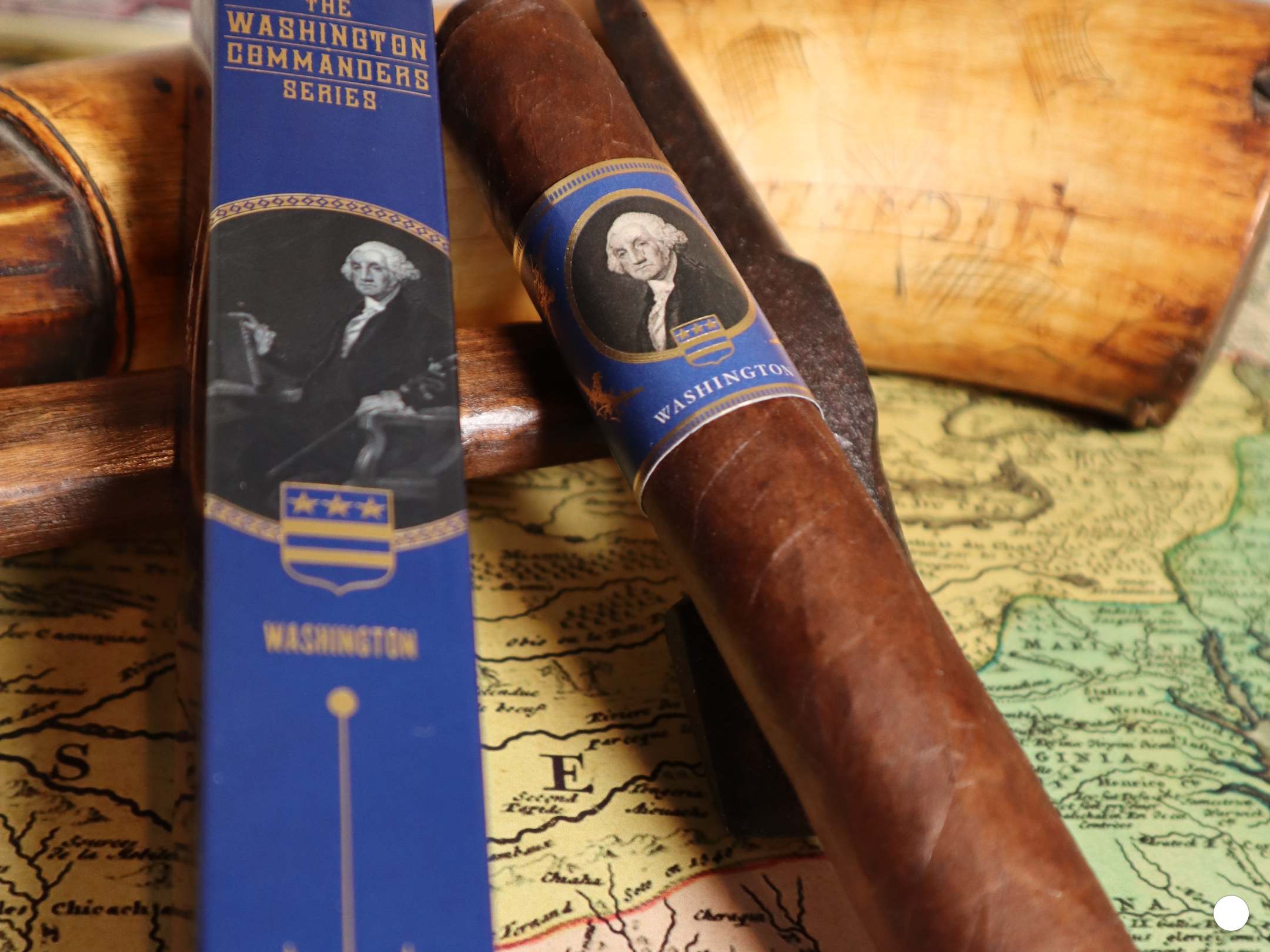
A Year With George Washington
January 6th, 1759 – George Washington marries the widow Martha Dandridge Custis at her home during the Twelfth Night celebration of Christmas.
“Some are born great, some achieve greatness, and some have greatness thrust upon ’em”
— TWELFTH NIGHT, ACT 2 SCENE 5
Writing this some 150 years before George Washington came to be, Shakespeare, had he lived in Washington’s time, may plausibly have offered up the great man as inspiration for these words.
John Adams, being a God-fearing man, was well-versed in the seven deadly sins, envy being one of the more challenging for him. He could not help himself, upon rare occasions, when it came to his fellow founder. He once posited to a friend, “Would Washington have ever been commander of the revolutionary army or president of the United States, if he had not married the rich widow of Mr. Custis?”
We cannot know the answer to this question just as we can’t know how our history would have been altered were the young Washington to have been granted a British officer’s commission as he hoped for, or had his mother, Mary not interceded and forbade him to go when he wanted to dash off to join the British Navy at the age of fourteen.
But as much as Adams sometimes could not contain his obvious envy of the towering figure that is George Washington, he was probably not wrong in his conjecture. It is, in fact, undeniable that when Martha Custis became his wife, Washington’s life and the prospects for greatness increased markedly.
Adams was referring to the massive wealth that Washington’s bride brought into the union when they married. The recently widowed twenty-six-year-old Martha had been married to Daniel Park Custis since the age of eighteen. The two had four children together, two of whom died very young. Daniel, too, died unexpectedly in 1757 and bequeathed a sizable estate.
One of the richest men in Virginia, his vast holdings included 17,000 acres of productive land, ample cash, and 300 slaves. George and Martha were entitled to what was known as the “widow’s third,” meaning one-third of the estate. The other two-thirds, according to tradition and common law, was to be granted to the care of the children; in their case, Patsy and John Custis.
It is certain that, having married Martha, thus becoming one of the wealthiest men in Virginia, Washington wielded a tremendous influence whenever and wherever he chose.
But Martha was much more than a bank to him. He was himself already wealthy. She was, rather, an extension of his aspirations and purpose in his life. She was loyal, which Washington valued over most anything. She was dutiful, trustworthy, an agreeable companion, and she gave thoughtful advice. She was also humble and maintained an abiding faith her whole life. She believed, as did her husband, that though life was fraught with hardship and difficulty (she had experienced more than most, having lost her first husband and two children), one must strive to carry on with dignity and purpose in the face of it. Washington would rely on her stout disposition many times throughout their storied life together.
Those who knew her admired her for the same reasons that George did. In a letter to a friend, Abigail Adams wrote, “Mrs. Washington is one of those unassuming characters which creates Love & Esteem. A most becoming pleasantness sits upon her countenance & an unaffected deportment which renders her the object of veneration and Respect. With all these feelings and Sensations I found myself much more deeply impressed than I ever did before their Majesties of Britain.”
After nine months of matrimony, Washington himself was clearly pleased with the union. He wrote contentedly to a relative, Richard Washington, “I am now I believe fixed at this Seat with an agreeable Consort for Life and hope to find more happiness in retirement than I ever experienced amidst a wide and bustling World.”
Little did Washington know that retirement would elude him for the rest of his life. The “wide and bustling world” that is America refuses to let him. With so much demanded of him by his country, Martha was the only dependable solace he would ever truly know.
Perhaps a French-born emigrant to America named Pierre-Étienne du Ponceau, who visited Mount Vernon in November of 1780, said it best…“She reminded me of the Roman matrons of whom I had read so much, and I thought that she well deserved to be the companion and friend of the greatest man of the age.”
Indeed, she was.