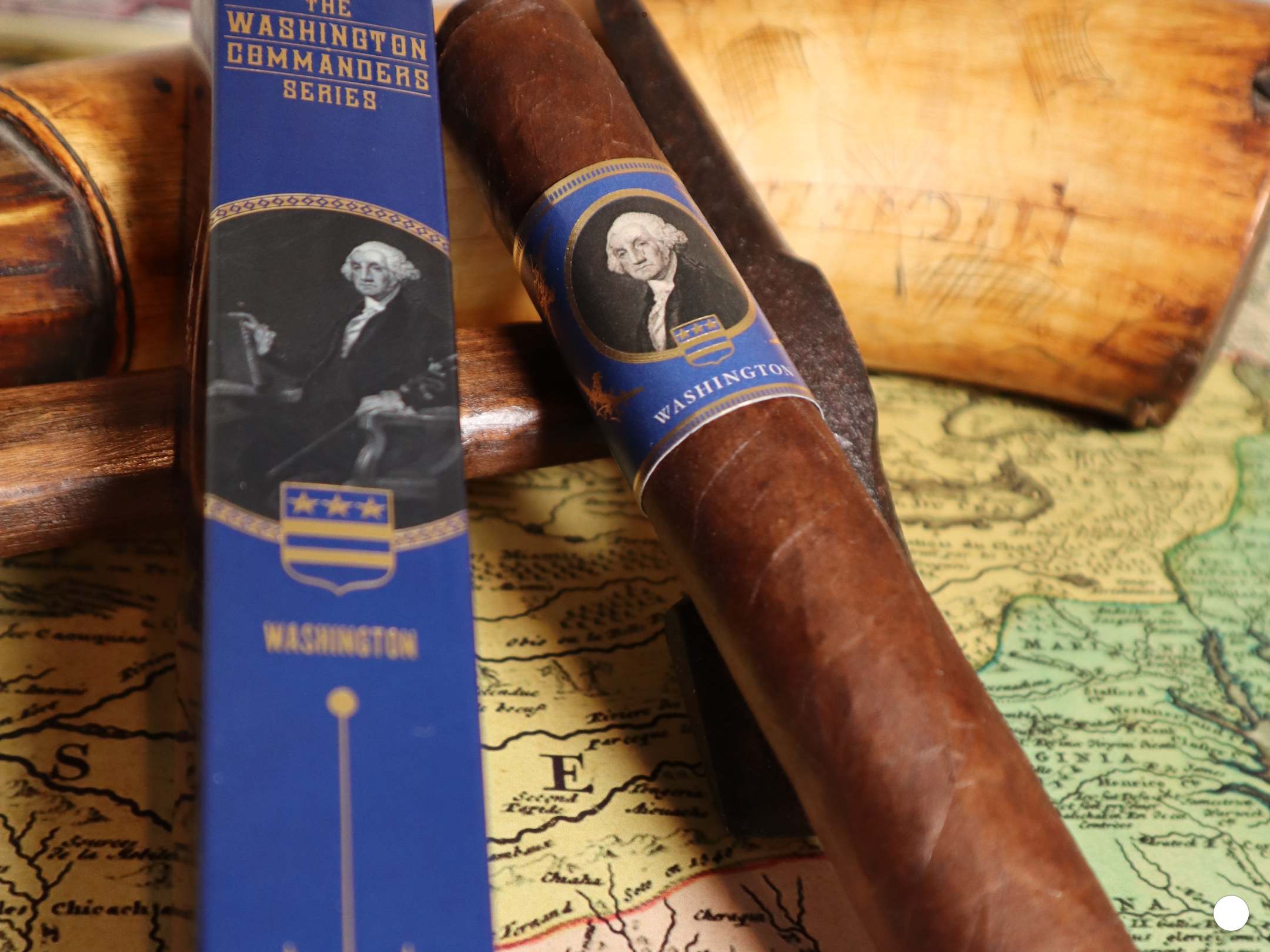
A Year With George Washington
Inauguration Day was not always held on January 20th as it is today. George Washington, the first President of the United States, was sworn in on April 30, 1789. Upon being elected to a second term, the day was moved to March 4th, which remained the swearing-in date until the passage of the Twentieth Amendment in 1933.
The Amendment prescribes that newly elected Presidents are to be sworn in on January 20th, unless that day falls on a Sunday. In which case, the ceremony is to take place on the succeeding Monday.
The Twentieth Amendment was conceived to eliminate potential crises of leadership during the “lame duck” period of a Presidency and congressional terms. With Elections held on the first Tuesday of November and the President and new Congress not being sworn in for a full four months, proponents of the Amendment believed that the country was too vulnerable during that span.
There was historical precedence for that view. The most severe example was Abraham Lincoln’s election in 1860. Before Lincoln and the new Congress took office on March 4, 1861, seven states had already seceded from the Union. Lincoln spent his entire presidency and, in fact, sacrificed his life trying to undo what happened in those four months.
In 1916, the United States had not yet entered the Great War (World War I), but all of Europe was engulfed in its carnage. There were credible signs that President Woodrow Wilson would not be re-elected, so he created a scenario whereby, should the Republican candidate, Charles Evans Hughes, prevail in the November election, Wilson would immediately appoint him to the post of Secretary of State. As prescribed by the Constitution, the Secretary of State is second in the line of succession behind the Vice President. Wilson and Vice President Thomas Marshall would then resign, elevating Hughes to the presidency immediately following the election. Wilson’s clever plan almost came to be, as he narrowly won the election.
Another Article in the Twentieth Amendment was a provision that provided for the ascendency of the Vice President-elect to the office of the president should the President-elect die before taking office.
The Twentieth Amendment to the Constitution had only been ratified a scant 23 days before 33-year-old Guiseppe Zangara, an unemployed bricklayer, put it to the test. Zangara was in Miami’s Bayfront Park with a singular purpose – to kill the president-elect, Franklin Delano Roosevelt. Had he succeeded, John Nance “Cactus Jack” Garner would have become the next commander-in-chief and charged with the task of navigating the country through the Great Depression and possibly World War II.
George Washington, who led the Constitutional Convention in 1788, could not have known what future crises the nation would face. But he and his fellow delegates ensured a means of amending the Constitution, knowing that unforeseen crises would absolutely arise.
Two and a half centuries later, we are far from a perfect union, but thanks to our founding fathers, we still have a fighting chance.