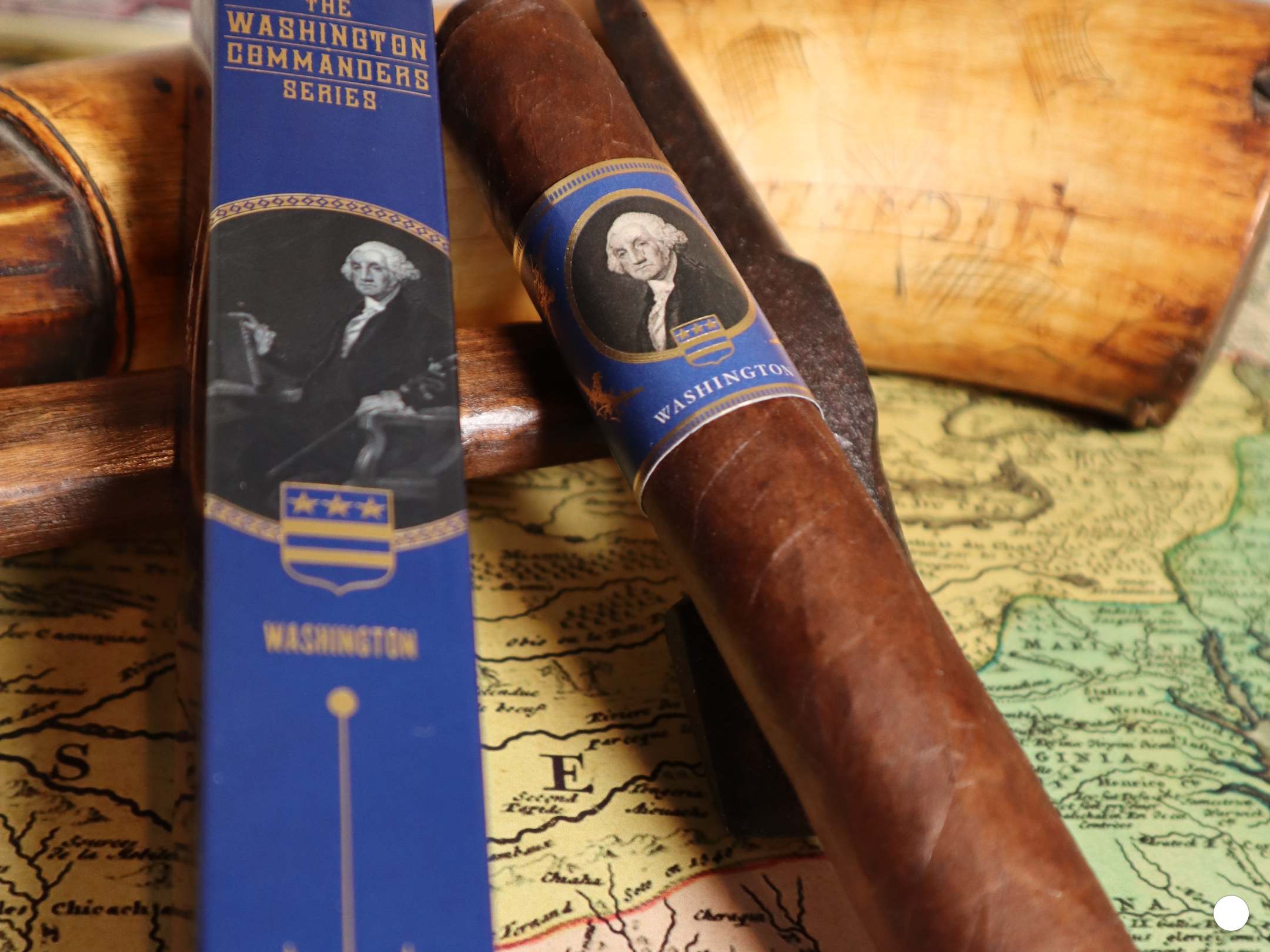
A Year With George Washington
On February 3, 1756, Washington journeyed to Boston in search of a royal military commission that would never be granted. In what would become one of the most consequential snubs in world history, George Washington would repeatedly be denied a royal commission in the British Army.
In the ill-fated Braddock expedition into the Ohio Country, Washington was first denied a royal officer’s commission by General Braddock as a major. He was instead given the rank of brevetted Captain, making him inferior to most British officers. Washington admired Braddock, who returned the sentiment, but the class system in Great Britain was as entrenched as it was old.
Try as he might, Washington could not crack the barrier. In an ironic twist of fate, it was Washington who rallied the troops after Braddock was killed on the battlefield. Washington had repeatedly implored Braddock to adopt a style of warfare more suited to the unconventional frontier methods of the Indian and French warriors, but Braddock did not heed his advice until it was too late.
Washington, not deterred though weakened with a severe case of dysentery, courageously entered the battle when his fears were realized. He had two horses shot out from under him, while four bullets tore holes in his hat and uniform. Traversing the battlefield trying to stem the carnage, Washington watched in horror as his Virginian militia stood their ground and were slaughtered while the terrified British regulars threw their guns to the ground and fled. Braddock paid for his obstinacy with his life. The breveted captain miraculously survived.
Washington returned home after Braddock’s defeat but would not be long at rest. French and Indian activity on the frontier increased, and George was summoned back into service. Governor Dinwiddie offered the twenty-three-year-old a promotion to the rank of Colonel and the supreme command of all forces in Virginia. After some wrangling, he accepted.
Despite his rank and station, Washington was informed by a junior officer named Captain John Dagworthy that he would not answer to him owing to his having previously held a British officer’s commission. Washington appealed to Virginia’s Royal Governor, Robert Dinwiddie, for permission to address the matter with Governor William Shirley of Massachusetts. Following General Braddock’s demise, Shirley assumed the role of Commander-in-Chief of the British forces in North America, and thus the decision was his.
Washington, as he would always be, was highly sensitive to any slight against his character, a trait that has been suggested probably stemmed from his mother’s omnipresent and hypercritical bent towards him. Thus inflamed, young Washington traveled to Boston in the dead of winter to repair the slight.
While Shirley determined that Washington was higher in the chain of command than Dagworthy, and despite his renown for heroic deeds in the service of the crown, he was once more denied his request to be admitted to the ranks of British officers.
Two decades later, Washington, no longer needing nor wanting a British uniform, would return to Boston to rid himself and his fellow patriots of the very establishment that had repeatedly and indigantly snubbed him.
Turnabout is indeed fairplay.