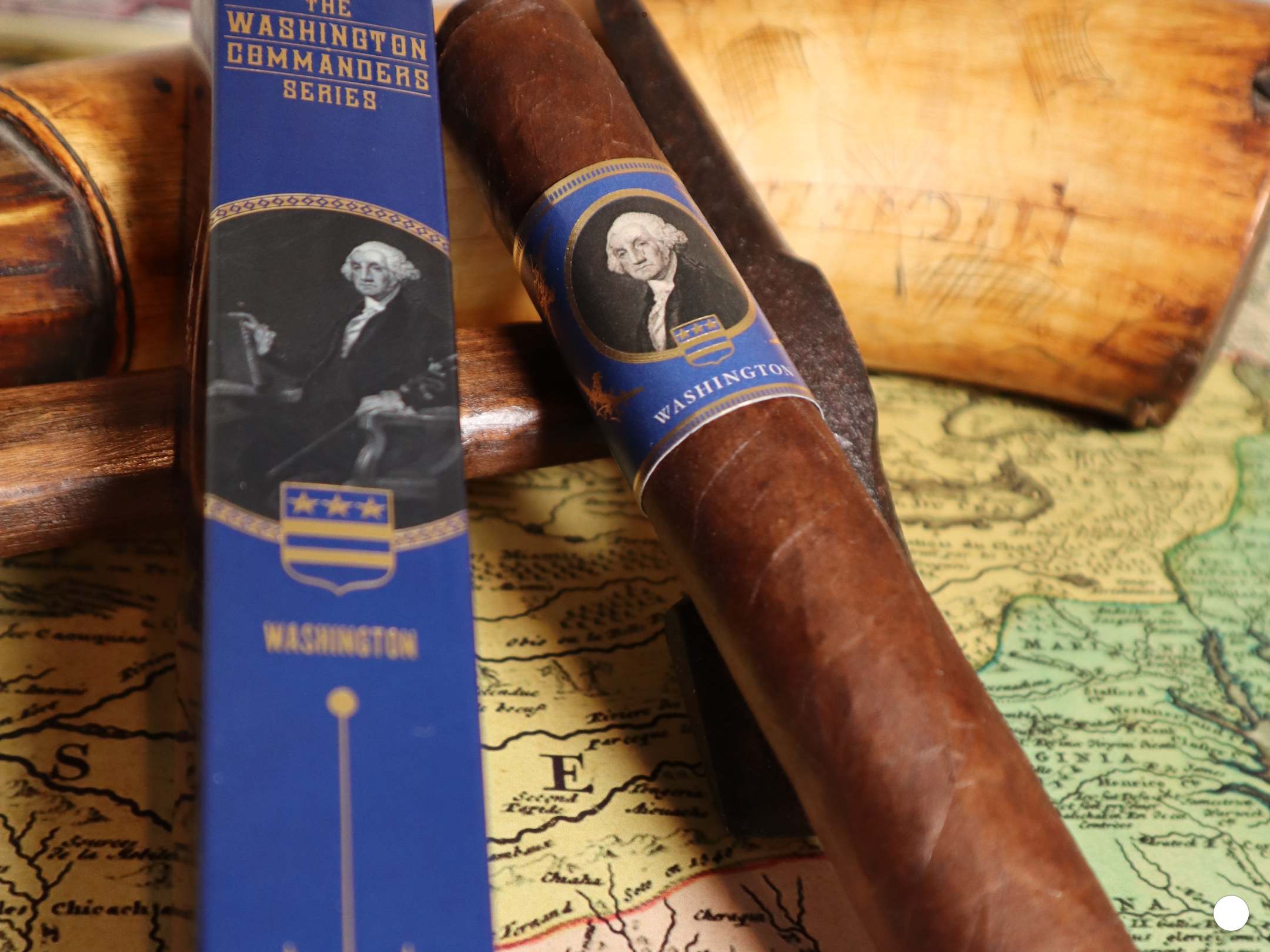
A Year With George Washington
February 22, 1732 (N.S.), George Washington was born near Fredericksburg, Virginia.
In Honor of Washington’s Day
George Washington was not the most successful battlefield general; he was far from the best-educated of the Founding Fathers. He was wealthy, with more resulting from industry than inheritance. He could have been king of the United States, but chose instead to be a farmer.
What sets Washington apart from all of his peers? Why is he the greatest American who ever lived? He attributed his survival and success to the Providence of God. Surely. But what attributes of character, behavior, and belief brought about his unrivaled position in his own times and in history? The answer is his virtue.
To the Romans, virtus primarily meant bravery or valor, and although the meaning had changed by Washington’s day, his bravery was unquestioned as he often led from the front lines, placing himself in harm’s way numerous times; he certainly would have qualified to lead a Roman Legion.
The most famous dictionary of his day, by the English genius of scholarship and wit, Ben Johnson, declared virtue a matter of “excellence or that which constitutes value and merit.” George Washington deliberately sought to conform his life in those ways.
Perhaps fellow Founder Noah Webster defined it best in his Dictionary of 1828: “the practice of moral duties and the abstaining from vice, or a conformity of life and conversation to the moral law.”
George Washington self-consciously sought to conform to the rules of the life of a gentleman, creating a reputation of excellence and merit that would characterize him as a man of honor, comity, and courage–the eighteenth century ideal of chivalry.
He was introspective, recognizing his own weaknesses and sinful proclivities. He took overt steps to overcome those faults or, at the very least, counteract them through self-discipline, perseverance, and seeking the counsel of others who could contribute to his vision of his ideal self.
He shunned having many close friends other than his devoted wife Martha, to whom he could unburden himself during the darkest days of the War for Independence. He teetered on the brink of losing hope several times, yet always defeated the temptation to resign or give up.
The trials and tribulations of the war brought out the best in George Washington and solidified in him the vaunted ideals to which he would adhere for the remainder of his life.
Why should we study the life of Washington and learn from his virtues?
All too many contemporary heroes live lives of self-consummation and conformity to dubious, fleeting social mores rather than to virtues tested by time; our society confuses celebrity with heroism.
Washington stands uniquely in the forefront of men whose nobility defined the meaning of virtus. He is worth knowing, and his life is worth emulating.